
While it becomes more common with age, it is not something women have to accept as normal. Many treatment options are available to manage symptoms effectively.
COMMON TYPES OF PELVIC FLOOR DYSFUNCTION IN WOMEN EXPLAINED


Dr Wendy Teo
Consultant Obstetrician & Gynaecologist
MBBS (Singapore), MRCOG (London)
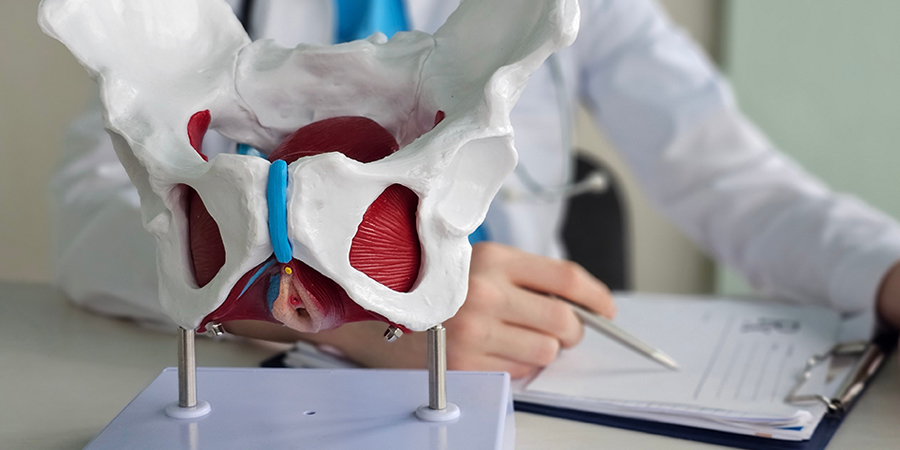
Pelvic floor dysfunction (PFD) is a common yet often under-recognised condition that can affect women at different stages of life. The pelvic floor is a group of muscles and connective tissues that support the bladder, uterus and bowel, while also playing a key role in urinary and bowel control, as well as sexual function. When these muscles do not function properly, a range of symptoms can develop, from urine leakage to pelvic discomfort.
PFD does not present in the same way for every woman. It can take several forms, depending on whether the muscles are weakened, overly tight, or affected by changes in surrounding structures. These differences influence how symptoms appear and how the condition impacts daily life.
What Is PFD and How Does It Affect Women?
Pelvic floor dysfunction refers to a group of conditions that affect the strength, coordination and function of the pelvic floor muscles. These muscles support key pelvic organs and help regulate bladder and bowel control.
When the pelvic floor is not functioning properly, it can lead to a range of issues, including urinary incontinence, pelvic pressure, discomfort and difficulties with bowel movements. In some cases, it may also contribute to gynaecological concerns such as pelvic organ prolapse. Symptoms can develop gradually and become more noticeable over time.
Common Types of Pelvic Floor Dysfunction in Women
Pelvic floor dysfunction can present in several distinct forms, depending on how the pelvic muscles and supporting structures are affected. While these conditions may share some overlapping symptoms, each type has its own underlying mechanism and clinical features.
Urinary Incontinence
Urinary incontinence refers to the involuntary leakage of urine and is one of the most common forms of pelvic floor dysfunction in women. It is typically grouped into three main types:
- Stress incontinence: leakage during coughing, sneezing or exercise
- Urge incontinence: a sudden, difficult-to-control need to urinate
- Mixed incontinence: a combination of both
Women may experience urine leakage or increased urinary frequency. This condition is often linked to pregnancy, vaginal childbirth, ageing, menopause and factors that increase pressure on the bladder, such as obesity.
Pelvic Organ Prolapse
Pelvic organ prolapse occurs when weakened pelvic floor muscles and ligaments allow organs such as the bladder, uterus or rectum to descend from their normal position. This may be described as a cystocele, uterine prolapse or rectocele, depending on the organ involved.
Common symptoms include a sensation of heaviness, pressure or a bulge in the vaginal area, particularly after prolonged standing. It is more likely to develop following multiple or difficult deliveries, ageing, or long-term strain from constipation or heavy lifting.
Overactive Pelvic Floor (Hypertonic Pelvic Floor)
In this type, the pelvic floor muscles are overly tight and have difficulty relaxing, which can interfere with normal bladder and bowel function.
Women may experience pelvic pain, discomfort during intercourse, or difficulty passing urine or stool. Contributing factors can include chronic muscle tension, prior pelvic injury, or habitual tightening of the pelvic muscles.
Underactive Pelvic Floor (Hypotonic Pelvic Floor)
An underactive pelvic floor is characterised by weakened muscles that do not provide adequate support for the pelvic organs.
This can lead to urinary leakage, reduced bowel control and a general feeling of pelvic weakness. It is commonly associated with muscle stretching from pregnancy and childbirth, ageing, hormonal changes or reduced muscle conditioning.
How Different Types of PFD Affect Treatment Options
The approach to managing pelvic floor dysfunction depends on the specific type involved, as each reflects a different underlying issue with muscle strength, coordination or support. While some conditions are linked to muscle weakness, others involve excessive muscle tension, which means treatment needs to be tailored accordingly.
Treatment Approaches Vary by Type
Different types of pelvic floor dysfunction respond to different forms of care.
- Urinary incontinence is often managed with pelvic floor strengthening exercises, bladder training and lifestyle adjustments
- Pelvic organ prolapse may be addressed with supportive measures such as pessaries or, in more advanced cases, surgical repair
- Overactive pelvic floor typically requires techniques focused on muscle relaxation, such as physiotherapy and targeted exercises
- Underactive pelvic floor is usually managed by improving muscle strength and coordination through guided rehabilitation
Why Tailored Care Matters
Because the underlying causes differ, a one-size-fits-all approach is not effective. For example, strengthening exercises may help in cases of muscle weakness but can worsen symptoms if the pelvic floor is already too tight.
A proper assessment helps determine whether the muscles need to be strengthened, relaxed or supported, allowing treatment to be more targeted and effective.
Personalised Pelvic Floor Care with Dr Wendy Teo
Pelvic floor dysfunction can present in different ways depending on the type involved, with symptoms ranging from urinary leakage to pelvic pressure or discomfort. Understanding these variations helps clarify how the condition affects daily life and why identifying the specific type is important for appropriate care and management.
Wendy Women's Clinic provides comprehensive evaluation and care for women experiencing pelvic floor concerns. Dr Wendy Teo, consultant obstetrician and gynaecologist, offers a personalised approach based on each patient's symptoms and needs. If you are experiencing symptoms of pelvic floor dysfunction, schedule a consultation for a proper assessment and guidance on suitable next steps.
FAQs About Pelvic Floor Dysfunction in Women
About Dr Wendy Teo
Dr Wendy Teo
Consultant Obstetrician & Gynaecologist
MBBS (Singapore), MRCOG (London)
Dr Wendy Teo is a consultant obstetrician and gynaecologist who trained at Kandang Kerbau Hospital (KKH), Singapore’s leading women’s and children’s hospital. She has experience managing a wide range of obstetric and gynaecological conditions and has been involved in clinical research and medical education. She adopts an evidence-based and patient-focused approach, with an emphasis on clear communication and personalised care to support women at different stages of their health journey.