
For some women, symptoms improve within weeks, while others may experience them for longer. Recovery depends on factors such as delivery type, muscle strength and overall healing.
RETURNING TO FITNESS AFTER CHILDBIRTH WITHOUT BLADDER LEAKS

Dr Wendy Teo
Consultant Obstetrician & Gynaecologist
MBBS (Singapore), MRCOG (London)
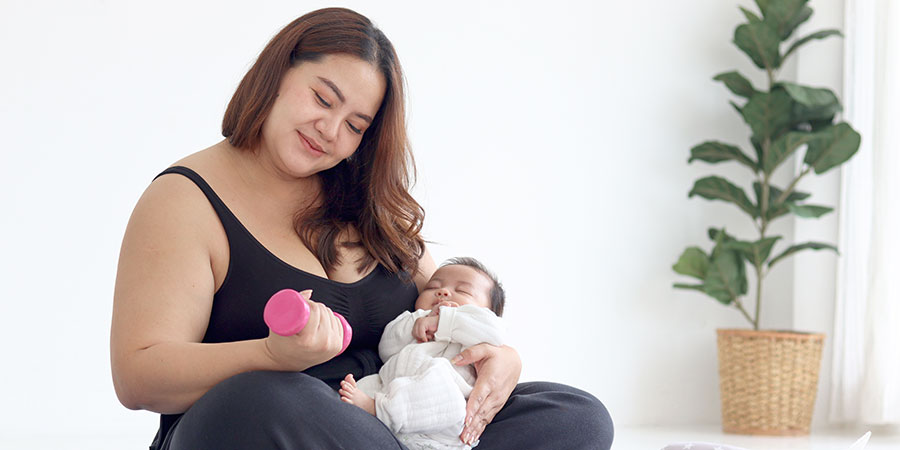
Returning to exercise after childbirth is an important step in recovery, but for many women, it can come with unexpected challenges such as bladder leaks. Activities like running, jumping or even brisk walking may trigger urine leakage, which can be both frustrating and discouraging.
These symptoms are often linked to changes in the pelvic floor muscles during pregnancy and delivery. As the body heals, the pelvic floor may not yet have regained the strength and coordination needed to support higher-impact movement. Understanding why bladder leaks occur and how to approach postpartum fitness safely can help women rebuild confidence in their bodies while reducing the risk of ongoing symptoms.
Why Bladder Leaks Happen After Childbirth
Bladder leaks after childbirth are often linked to changes in the pelvic floor, which plays a key role in supporting the bladder and controlling urine flow. During pregnancy and delivery, these muscles can become stretched, weakened or less coordinated, resulting in a weak pelvic floor that makes it harder to maintain control during physical activity.
Vaginal delivery, in particular, can place significant strain on the pelvic floor muscles and surrounding tissues. Even in uncomplicated births, the muscles may take time to recover their strength and function. Hormonal changes after childbirth can also affect tissue support, further contributing to symptoms.
As a result, activities that increase pressure within the abdomen, such as coughing, jumping or exercising, may lead to urine leakage. This is a form of urinary incontinence, most commonly stress incontinence, and is one of the most frequent types experienced in the postpartum period.
How to Return to Fitness Safely After Childbirth
Resuming exercise after pregnancy and childbirth should be approached gradually, allowing time for the body, particularly the pelvic floor, to recover. A structured and progressive approach helps rebuild strength while reducing the risk of setbacks.
-
Start with Low-Impact Activities
In the early stages, gentle exercises such as walking, stretching or postnatal workouts are more appropriate. These help restore general fitness without placing excessive strain on the pelvic floor. -
Progress Gradually Over Time
Exercise intensity should increase in stages rather than all at once. Moving too quickly into high-impact activities can place unnecessary pressure on healing muscles. -
Reintroduce Impact Carefully
Higher-impact movements such as running or jumping should only be introduced once a good level of strength and control has been regained. This helps reduce the likelihood of symptoms returning. -
Listen to Your Body
Fatigue, discomfort or a sense of pelvic strain may indicate that the body needs more time to recover. Adjusting intensity or taking rest days can support a safer return to fitness.
Preventing Bladder Leaks During Postpartum Exercise
Preventing bladder leaks focuses on improving how the pelvic floor functions during movement, rather than just when to exercise. Building strength, coordination and control is key to maintaining continence during activity.
-
Strengthen the Pelvic Floor Gradually
Pelvic floor exercises, such as Kegels, can help improve muscle strength and support for the bladder. These should be performed correctly and consistently, focusing on both contraction and relaxation of the muscles. -
Manage Pressure During Movement
Activities that increase pressure in the abdomen, such as lifting or jumping, can trigger leakage if not well controlled. Learning how to stabilise the core and pelvic floor during these movements can reduce strain. -
Build Coordination, Not Just Strength
Good pelvic floor function depends on timing and coordination with breathing and core muscles. Training these muscles to work together helps improve control during dynamic movements. -
Seek Support If Symptoms Persist
If bladder leaks continue despite self-management, a professional assessment can help identify underlying issues and guide more targeted treatment.

Rebuilding Strength and Confidence After Childbirth
Returning to fitness after childbirth is a gradual process, and bladder leaks are often a sign that the pelvic floor needs more time and support to recover. Understanding why these symptoms occur and taking a structured approach to exercise can help reduce discomfort, improve control and support a safer return to activity.
Wendy Women's Clinicprovides comprehensive care for women experiencing postpartum pelvic floor concerns. Dr Wendy Teooffers personalised assessment and guidance based on each individual’s recovery and symptoms. If you are experiencing bladder leaks during exercise, schedule a consultation for a proper evaluation and tailored advice.
FAQs About Postpartum Fitness and Bladder Leaks
About Dr Wendy Teo
Dr Wendy Teo
Consultant Obstetrician & Gynaecologist
MBBS (Singapore), MRCOG (London)
Dr Wendy Teo is a consultant obstetrician and gynaecologist who trained at Kandang Kerbau Hospital (KKH), Singapore’s leading women’s and children’s hospital. She has experience managing a wide range of obstetric and gynaecological conditions and has been involved in clinical research and medical education. She adopts an evidence-based and patient-focused approach, with an emphasis on clear communication and personalised care to support women at different stages of their health journey.