
Pelvic floor exercises are generally considered safe and are often encouraged before, during and after pregnancy. Strengthening these muscles can help support bladder control, pelvic stability and recovery following childbirth. Your doctor or physiotherapist can advise on the most appropriate exercises for your individual circumstances.
WEAK PELVIC FLOOR AFTER CHILDBIRTH: WHAT CAN BE DONE?


Dr Wendy Teo
Consultant Obstetrician & Gynaecologist
MBBS (Singapore), MRCOG (London)
Pregnancy and childbirth can stretch and weaken the pelvic floor muscles, which support the bladder, uterus and bowel. After delivery, some women may notice urine leakage, reduced bladder control, pelvic pressure or a feeling that their core and pelvic muscles are not as strong as before.
While some changes improve naturally with time, others may need guided rehabilitation. Early attention can help restore pelvic floor strength, improve bladder control and support a smoother postpartum recovery.
While pelvic floor changes are often associated with childbirth, the effects can differ from one woman to another. Some women experience only mild symptoms that improve during recovery, while others may continue to notice bladder leaks, pelvic pressure or reduced muscle strength months after delivery. Understanding the factors that contribute to pelvic floor weakness can help guide recovery and determine when additional treatment may be beneficial.
What Causes Pelvic Floor Weakness After Childbirth?
Pelvic floor weakness after childbirth is often the result of several factors working together. During pregnancy, the pelvic floor supports the growing weight of the baby. During labour and delivery, these muscles and connective tissues may stretch further to accommodate childbirth.
For many women, the pelvic floor gradually regains strength during postpartum recovery. However, some women may continue to experience muscle weakness, reduced support or difficulty coordinating these muscles effectively. This can lead to symptoms such as urinary leakage, pelvic pressure or a feeling of heaviness in the pelvic area.
Common contributing factors include:
Vaginal Delivery and Muscle Stretching
During vaginal delivery, the pelvic floor muscles stretch significantly to allow the baby to pass through the birth canal. This can affect the strength, tone and responsiveness of the muscles after birth, particularly following a prolonged labour or extended pushing.
When these muscles are unable to provide adequate support, women may experience bladder leaks, reduced pelvic support or difficulty engaging their core muscles.
Pressure from Pregnancy
Pelvic floor strain often begins before labour. As the baby grows, the increasing weight places continuous pressure on the pelvic floor muscles, bladder and surrounding tissues.
Over time, this added pressure can affect muscle function and pelvic stability. As a result, some women may experience symptoms of a weak pelvic floor even if they ultimately deliver by Caesarean section.
Hormonal Changes During Pregnancy
Pregnancy hormones help relax muscles, ligaments and connective tissues in preparation for childbirth. While these changes are necessary, they can also temporarily reduce the strength and support provided by the pelvic floor.
Following delivery, hormone levels continue to fluctuate as the body recovers. During this period, some women may notice that their pelvic floor feels weaker or less responsive than before pregnancy.
Repeated Pregnancies or Childbirths
Multiple pregnancies and deliveries can place repeated strain on the pelvic floor. Each pregnancy increases pressure on the supporting muscles and tissues, while childbirth may further stretch these structures.
Over time, this cumulative stress may increase the risk of ongoing pelvic floor weakness, urinary incontinence or pelvic organ prolapse.
Assisted Delivery or Birth-Related Trauma
Forceps or vacuum-assisted deliveries may place additional strain on the pelvic floor muscles and supporting tissues. Perineal tears, episiotomies and prolonged pushing during labour may also contribute to postpartum weakness.
While these factors do not necessarily result in long-term pelvic floor dysfunction, they may increase the likelihood of symptoms and highlight the importance of postpartum pelvic floor rehabilitation.
What Are the Symptoms of a Weak Pelvic Floor?
The symptoms of a weak pelvic floor can vary depending on the severity of muscle weakness and the structures affected. While some women experience only occasional symptoms during the postpartum period, others may notice ongoing changes that affect daily activities, exercise or overall comfort.
Urinary Leakage and Reduced Bladder Control
Urinary leakage is one of the most common signs of a weak pelvic floor. Leakage may occur during activities that increase pressure within the abdomen, such as coughing, sneezing, laughing, lifting heavy objects or exercising.
Some women may also experience a sudden urge to urinate or find it more difficult to reach the toilet in time, particularly during the early stages of recovery after childbirth.
Pelvic Pressure, Heaviness or a Dragging Sensation
A weakened pelvic floor may provide less support for the pelvic organs, leading to a sensation of pressure, heaviness or dragging in the lower pelvis.
These symptoms often become more noticeable after prolonged standing, walking or physical activity and may improve with rest. In some cases, they can be an early sign of reduced pelvic support or pelvic organ prolapse.
Changes in Bowel Function
The pelvic floor also plays an important role in bowel control and emptying. When these muscles are weakened or not functioning effectively, some women may experience difficulty controlling bowel movements or feel unable to completely empty their bowels.
Although less commonly discussed than bladder symptoms, bowel-related changes can also affect comfort and quality of life.
Reduced Core Stability and Discomfort During Activity
The pelvic floor works together with the abdominal and back muscles to support movement and stability. When these muscles are weakened, activities such as lifting, exercising or carrying a baby may feel more physically demanding.
Some women describe a feeling of reduced core strength, instability or discomfort in the pelvic region during activities that previously felt manageable.
How Is Pelvic Floor Weakness Diagnosed?
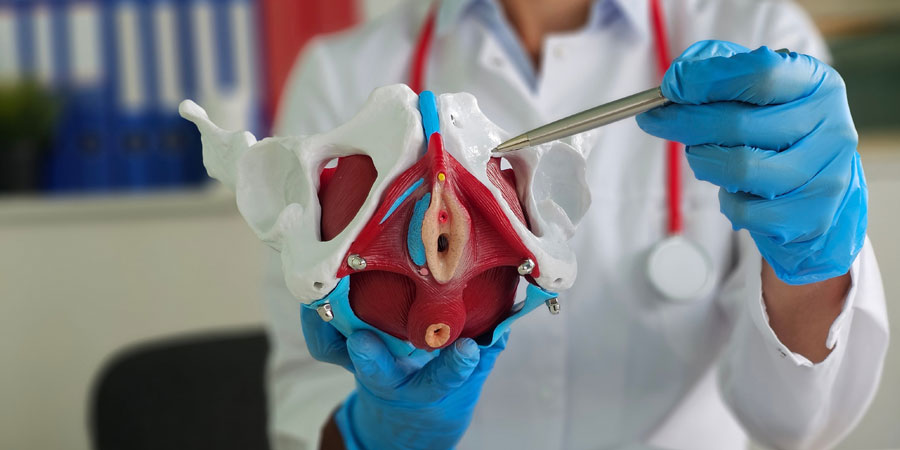
Pelvic floor weakness can affect bladder control, pelvic support and everyday activities in different ways. Because symptoms can overlap with other pelvic health conditions, an assessment is often recommended to determine the underlying cause. Diagnosis typically involves a combination of medical history, physical examination and, when necessary, additional investigations to guide treatment recommendations.
Medical History and Symptom Assessment
The consultation usually begins with a discussion about your symptoms, medical history and childbirth experience. This may include questions about your pregnancies, delivery method and any concerns such as urinary leakage, pelvic pressure or changes in bowel function.
Understanding when symptoms started, how often they occur and how they affect daily life can help guide further evaluation.
Physical Examination
A physical examination may be performed to assess pelvic support, muscle strength and any signs of tissue weakness. This helps to determine whether the pelvic floor muscles are providing adequate support for the bladder, uterus and surrounding structures.
The examination may also help to identify signs of pelvic organ prolapse or other conditions that may contribute to symptoms.
Pelvic Floor Function Assessment
Specific assessments may be used to evaluate how well the pelvic floor muscles contract, relax and coordinate during movement. This provides a clearer understanding of muscle strength and function, which can help guide treatment recommendations.
In some cases, weakness may be related not only to reduced strength but also to poor muscle coordination or difficulty activating the correct muscles.
Bladder and Urinary Assessment
If urinary symptoms are present, additional tests may be recommended to evaluate bladder function and rule out other causes of incontinence. These may include urine tests to check for infection or other conditions that could contribute to bladder symptoms.
Additional Investigations When Needed
For persistent, complex or more severe symptoms, further investigations may be recommended. Depending on the individual’s symptoms and clinical findings, this may include imaging studies or specialised assessments to evaluate pelvic organ support and pelvic floor function in greater detail.
What Can Be Done to Strengthen the Pelvic Floor?
The appropriate treatment for a weak pelvic floor depends on the severity of symptoms, how much they affect daily life and whether bladder control or pelvic support has been affected. In many cases, a combination of exercises, lifestyle adjustments and guided rehabilitation can help improve pelvic floor function and support recovery after childbirth.
Pelvic Floor Exercises
Pelvic floor exercises, also known as Kegel exercises, involve repeatedly tightening and relaxing the pelvic floor muscles to improve strength and control. When performed correctly and consistently, these exercises can help improve bladder control, enhance pelvic support and reduce symptoms of weakness over time.
Because it can be difficult to identify the correct muscles, some women benefit from professional guidance to ensure they are performing the exercises effectively.
Bladder Training
Bladder training focuses on improving bladder control by gradually increasing the time between bathroom visits. This approach can help reduce urinary urgency, improve bladder capacity and establish healthier bladder habits.
It is often used alongside pelvic floor exercises, particularly for women experiencing urinary leakage or urgency after childbirth.
Lifestyle Modifications
Certain lifestyle changes can help reduce strain on the pelvic floor and support recovery. These may include maintaining a healthy weight, avoiding unnecessary heavy lifting and managing constipation to prevent excessive straining during bowel movements.
While these measures may not strengthen the pelvic floor directly, they can help prevent symptoms from worsening and support the effectiveness of other treatments.
Pelvic Floor Physiotherapy
Pelvic floor physiotherapy provides a more structured approach to rehabilitation. A trained physiotherapist can assess muscle strength, identify areas of weakness and teach techniques to improve muscle activation and coordination.
Treatment may include targeted exercises, biofeedback and personalised rehabilitation programmes designed to support long-term recovery and pelvic floor function.
Medical and Specialist Treatment
If symptoms persist despite conservative measures, further evaluation may be recommended. Depending on the underlying cause and severity of symptoms, additional treatments may be considered to improve bladder control, restore pelvic support or address related pelvic floor concerns.
Personalised Care for Pelvic Floor Recovery with Dr Wendy Teo
A weak pelvic floor after childbirth can affect bladder control, pelvic support and everyday comfort. While some women experience gradual improvement during postpartum recovery, others may continue to experience symptoms that benefit from professional assessment and treatment. Early intervention can help restore pelvic floor function, improve bladder control and reduce the risk of longer-term pelvic health concerns.
Wendy Women's Clinic provides comprehensive assessment and treatment for women experiencing pelvic floor weakness, urinary incontinence, pelvic organ prolapse and other postpartum pelvic health concerns. Located at Mount Elizabeth Novena Specialist Centre, the clinic offers a supportive environment where women can discuss their symptoms openly and receive care tailored to their needs.
With advanced training in urogynaecology and women's health, Dr Wendy Teo takes a personalised approach to pelvic floor recovery, recommending treatment options based on each patient's symptoms, lifestyle and recovery goals.
If you are experiencing symptoms of a weak pelvic floor after childbirth or would like guidance on your postpartum recovery, arrange a consultation with Dr Wendy Teo today.
Frequently Asked Questions
Our Female Gynaecologist & Obstetrician in Singapore
Dr Wendy Teo
Consultant Obstetrician & Gynaecologist
MBBS (Singapore), MRCOG (London)
Dr Wendy Teo is an experienced obstetrician and gynaecologist with advanced training in laparoscopic and urogynaecological surgery from Kandang Kerbau Hospital (KKH), Singapore's leading women's and children's hospital.
During her time at KKH, Dr Teo was actively involved in clinical research and medical education, mentoring medical students from the National University of Singapore (NUS) and presenting at both local and international conferences. Her commitment to continuous learning and evidence-based practice enables her to provide patients with up-to-date and comprehensive care.
Dr Teo's clinical expertise encompasses a wide range of women's health concerns, including fertility care, pregnancy management and the treatment of complex gynaecological conditions such as endometriosis. She is particularly passionate about supporting individuals and couples on their fertility journey, taking a personalised approach to care that considers each patient's unique needs and goals.